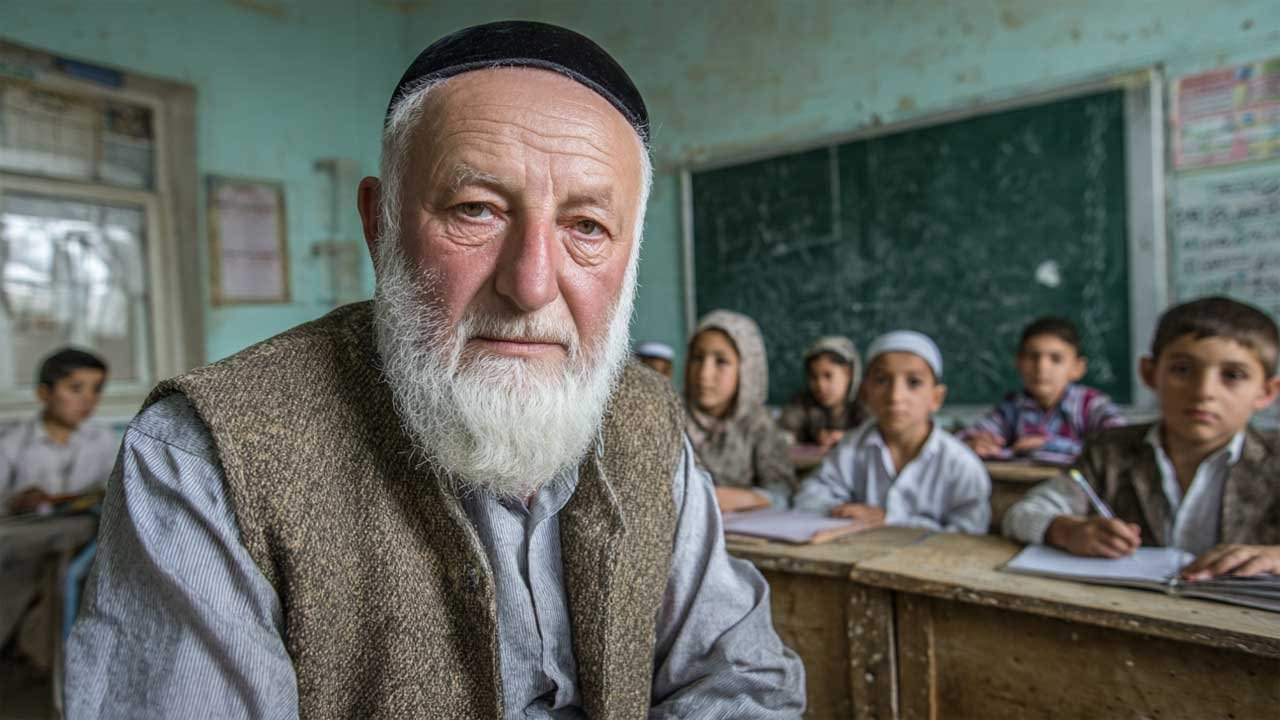
Tajikistan’s education system, rooted in its Soviet heritage and now evolving toward a modern 12-year structure, emphasizes universal literacy, accessible schooling, and skill development across all age groups. Early childhood education remains underdeveloped with low enrollment, while primary education boasts near-universal participation.
The compulsory secondary phase builds foundational knowledge, though challenges persist in quality, teacher shortages, and gender disparities—especially among rural girls. Post-secondary pathways include vocational and higher professional education, gradually aligning with international standards like the Bologna Process.
Despite significant progress, issues such as inadequate infrastructure, underfunding, and learning gaps hinder educational quality. Ongoing reforms aim to create an equitable, globally competitive system supporting Tajikistan’s sustainable growth.
| Aspect | Key Information |
|---|---|
| Education Structure | Transitioning from 11-year to 12-year general education system |
| Early Childhood Education | Ages 3–6; non-compulsory; low enrollment (10–15%); limited access in rural areas |
| Primary Education | Ages 7–10; Grades 1–4; compulsory; literacy and numeracy focus; ~99% enrollment |
| Basic Secondary Education | Ages 11–15; Grades 5–9; broad curriculum; completion awards Certificate of Basic Education |
| Upper Secondary Education | Ages 16–17 (or 18 in 12-year system); Grades 10–11/12; academic or vocational tracks |
| Post-Secondary Options | Vocational training, technical colleges, and university education |
| Higher Education Degrees | Bachelor’s (4–5 yrs), Specialist (5 yrs), Master’s (1+ yr), Doctoral studies |
| Compulsory Education Age | 7 to 17 years |
| Enrollment Rate (Primary) | Over 99% for both boys and girls |
| Tertiary Enrollment Rate | Approximately 35–40% of eligible age group |
| Major Challenges | Limited funding, teacher shortages, outdated infrastructure, gender disparity |
| Key Reforms | Expanding 12-year system, improving teacher quality, enhancing rural access |
| Gender Issues | High dropout among rural girls due to early marriage and economic factors |
| Government Goal | Achieve international education standards and improve quality learning outcomes |
A Comprehensive Overview of Age-Wise Education in Tajikistan
Education stands as one of the most powerful pillars shaping Tajikistan’s socio-economic progress. Guided by its Soviet-era legacy yet striving toward modernization, Tajikistan’s education system has undergone remarkable transformation over the past decades.
The nation is transitioning from an 11-year general education model to a globally recognized 12-year framework, aligning its standards with international benchmarks. This shift reflects the government’s commitment to fostering inclusive learning, improving literacy, and nurturing human capital to meet 21st-century challenges.
In this detailed AUBSP analysis, we explore every age-wise stage of education in Tajikistan—from early childhood foundations to tertiary achievements—highlighting the country’s strengths, reforms, and ongoing challenges.
I. Early Childhood and Pre-School Education (Ages 3–6 Years)
Early childhood education in Tajikistan serves as the initial step toward lifelong learning, yet it remains the least developed part of the nation’s academic structure. Children aged 3 to 6 years are eligible for kindergarten and nursery groups; however, this stage is non-compulsory and plagued by low enrollment, particularly in rural and economically disadvantaged communities. Only about 10–15% of children in this age group attend formal early learning institutions, reflecting limited infrastructure and funding.
The primary objectives at this stage include basic cognitive development, socialization, and school readiness. However, insufficient facilities and the economic need for both parents to work hinder participation, leaving many children without structured early education exposure.
Building the Foundation for Future Learning
AUBSP notes that quality pre-school education directly impacts academic success later in life. Tajikistan’s Ministry of Education has begun initiatives to expand kindergarten networks, train caregivers, and improve early learning materials.
International organizations such as UNICEF also support pilot projects to raise awareness of the importance of early development. Overcoming logistical barriers—like access in mountainous regions—and providing state-backed incentives for rural pre-school attendance are crucial next steps.
II. General Secondary Education (Ages 7–17 Years)
General secondary education forms the core of Tajikistan’s academic system, offering a structured, compulsory journey for every child between ages 7 and 17. The system is divided into three progressive stages—Primary, Basic, and Upper Secondary—each designed to develop literacy, numeracy, and analytical thinking. Education at this level is free and legally mandatory, reflecting the government’s dedication to universal literacy and skill-building.
While enrollment rates at the initial levels exceed 99%, issues such as quality of instruction, curriculum modernization, and gender-based dropout rates persist, especially in rural areas. Let’s examine each stage more closely.
A. Primary Education: Building Core Competencies (Ages 7–10)
Primary education lays the groundwork for all future learning. Spanning Grades 1–4, this four-year phase focuses on essential literacy, numeracy, and social awareness. Teachers emphasize the fundamentals—reading, writing, and arithmetic—alongside general subjects like nature, art, and civic values. Tajikistan has achieved near-universal enrollment at this level, an achievement that demonstrates the country’s strong commitment to educational access.
However, maintaining consistent quality remains a challenge. Overcrowded classrooms, outdated textbooks, and limited access to modern learning tools affect learning outcomes. Continued investments in teacher training, digital resources, and student assessment systems are vital to sustain progress.
B. General Basic Education: The Compulsory Exit Point (Ages 11–15)
The General Basic Education phase, covering Grades 5–9, represents the core completion point of compulsory schooling. Students complete a broad curriculum encompassing languages, sciences, mathematics, history, and technology. Upon successful completion, they receive the Certificate of Basic Education, enabling them to either pursue Upper Secondary Schooling or vocational training.
This stage marks a critical turning point in Tajikistan’s education pipeline. While access remains strong, the quality of instruction and relevance of curricula to modern labor markets require enhancement. AUBSP emphasizes integrating STEM education, career guidance, and digital literacy into this phase to prepare students for evolving workforce needs.
C. General Secondary (Upper) Education: The Path to Higher Learning (Ages 16–17)
Upper Secondary Education—Grades 10 to 11 (soon extending to Grade 12)—serves as the final stage before tertiary entry. Students specialize in academic or vocational streams such as sciences, humanities, or professional skills. The goal is to prepare learners for university entrance exams or direct career pathways.
Unfortunately, this phase experiences the highest dropout rates, especially among girls in rural regions. Social norms, early marriage, and financial constraints remain major barriers. Policy measures promoting gender equity, scholarship support, and community awareness campaigns are vital for ensuring all students complete secondary education successfully.
III. Post-Secondary Education Pathways in Tajikistan
Post-secondary education in Tajikistan is expanding rapidly to meet the country’s growing demand for skilled professionals. After completing Grade 11 or 12, students can choose between vocational specialization or university education. Each pathway offers unique benefits depending on career goals and socioeconomic context.
The government’s efforts to align higher education with international standards, particularly the Bologna Process, underscore a clear focus on global competitiveness. With enrollment reaching around 35–40% of the eligible age group, Tajikistan’s tertiary system continues to grow in scale and sophistication.
A. Vocational and Specialized Secondary Education
Vocational education, including Primary Vocational Education and Training (PVET), prepares learners with hands-on skills for immediate employment in fields such as mechanics, construction, and agriculture. Secondary professional institutions—technical colleges and specialized schools—offer advanced diplomas similar to global technical and vocational qualifications (TVET).
AUBSP identifies vocational training as a strategic driver for workforce readiness, especially in rural and industrial sectors. Modernizing curricula, engaging industry partnerships, and encouraging female participation in technical trades remain key policy priorities to bridge Tajikistan’s skills gap.
B. Higher Professional (Tertiary) Education
Tajikistan’s tertiary system follows a structured three-tier degree format:
- Bachelor’s Degree (Darajai bakalavr) – Minimum 4 years (5 for medicine).
- Specialist Degree (Darajai mutakhassis) – About 5 years, equivalent to a combined Bachelor’s and Master’s.
- Master’s Degree (Darajai magistr) – At least 1 year, offering deeper specialization.
- Doctoral Studies – Research-intensive programs leading to academic excellence.
Universities increasingly emphasize research quality, international collaboration, and digital transformation. Gender inclusion is improving, with women’s participation rising in social sciences, education, and health fields.
IV. Key Challenges Across Age Groups
Despite commendable strides, Tajikistan’s education system faces multi-dimensional challenges that impact both quality and equity. Infrastructure gaps, insufficient funding, and teacher shortages persist, especially in rural districts. Many schools operate in double or triple shifts, limiting teaching hours and student engagement.
Moreover, low teacher salaries, outdated materials, and limited professional development lead to declining learning outcomes. Gender disparities remain significant—many girls leave school prematurely due to social norms or economic pressure. Strengthening teacher training, investing in rural schools, and fostering digital inclusion are essential for bridging the education gap and ensuring that all children, regardless of gender or geography, thrive academically.
Final Thoughts
Tajikistan’s education system represents both resilience and transformation. The nation’s unwavering commitment to universal literacy, coupled with ongoing reforms toward a 12-year education model, positions it for a stronger future. However, the true success of these reforms depends on sustained investment, inclusive access, and quality-driven policies.
We believe that education is the cornerstone of sustainable national growth. By empowering every learner—from preschoolers to doctoral scholars—Tajikistan can unlock its full human potential and secure a brighter, knowledge-driven future.
Stay updated with AUBSP’s global education insights, reforms, and policy analyses. Follow AUBSP for expertly curated reports, comparative education models, and practical strategies that shape learning systems across the world.
FAQs about Tajikistan’s education system
What is the current structure of Tajikistan’s education system?
Tajikistan’s education system is transitioning from an 11-year model to a 12-year system, aligning with international standards. It includes early childhood, primary, secondary, and higher education stages.
At what age do children start school in Tajikistan?
Children typically begin formal schooling at age seven, starting with Grade 1 in the primary education stage.
Is pre-school education compulsory in Tajikistan?
No, early childhood or pre-school education (ages 3–6) is optional and has low participation rates, particularly in rural regions.
What are the main stages of general education in Tajikistan?
The general education system includes three stages: Primary (Grades 1–4), Basic (Grades 5–9), and Upper Secondary (Grades 10–11 or 10–12 under reform).
How long is compulsory education in Tajikistan?
Education is compulsory for ten years, covering ages 7 to 17, through the end of basic secondary schooling.
What is the literacy rate in Tajikistan?
Tajikistan boasts a high literacy rate exceeding 99%, reflecting its strong commitment to universal basic education.
What certificate do students receive after completing basic education?
Students who complete Grade 9 receive the Certificate of Basic Education, allowing them to continue to upper secondary or vocational training.
What educational options are available after Grade 9?
Students can either advance to upper secondary education for university preparation or enroll in vocational and technical training programs.
What are the goals of upper secondary education in Tajikistan?
Upper secondary education focuses on specialized academic or vocational preparation for university entrance or employment.
What are the main post-secondary pathways?
Graduates can choose between vocational/technical schools or higher education institutions offering Bachelor’s, Specialist, and Master’s degrees.
What is the duration of higher education degrees?
Bachelor’s programs last at least four years, Specialist degrees about five years, and Master’s programs a minimum of one year.
Does Tajikistan follow the Bologna Process in higher education?
Yes, Tajikistan is progressively aligning its tertiary education system with the Bologna Process to meet international standards.
What percentage of young people pursue higher education?
Approximately 35–40% of the eligible age group enroll in tertiary education institutions.
What are the main challenges facing Tajikistan’s education system?
Key challenges include inadequate infrastructure, limited funding, teacher shortages, outdated curricula, and gender inequality.
Why is gender disparity a concern in Tajik education?
Many girls, especially in rural areas, drop out due to early marriage, social expectations, or the need to help with household income.
How does the government support education in rural areas?
Policies focus on expanding access through new school construction, teacher training, and community-based awareness programs.
What role does vocational education play in Tajikistan?
Vocational education equips students with practical trade skills for direct entry into the workforce, particularly in technical and industrial sectors.
Are there opportunities for international education collaboration?
Yes, Tajikistan partners with global organizations and universities to modernize its curricula, research, and teaching methods.
What language is used for instruction in Tajik schools?
Tajik is the primary language of instruction, though Russian and minority languages are taught in some schools.
What are the main subjects taught in basic education?
Students study mathematics, languages, science, history, geography, and technology, alongside physical and moral education.
How is teacher quality being improved?
Reforms include enhanced teacher training programs, better certification standards, and incentives for educators in remote regions.
What is being done to improve school infrastructure?
The government and international partners are investing in school renovation, sanitation facilities, and access to digital learning tools.
How is digital education developing in Tajikistan?
While still limited, digital education initiatives are growing, including e-learning projects and technology integration in urban schools.
What are the main dropout reasons among students?
Economic hardship, long travel distances, family responsibilities, and early marriage are leading causes of school dropouts.
Is private education available in Tajikistan?
Yes, private schools and universities exist but are primarily concentrated in urban areas and serve a small percentage of students.
What is the government doing to achieve gender equality in education?
Awareness programs, scholarships for girls, and community engagement initiatives aim to reduce gender disparities.
How does Tajikistan ensure quality assurance in higher education?
Quality control is managed by the Ministry of Education through accreditation standards, curriculum review, and institutional evaluations.
What reforms are planned for the coming years?
Reforms include expanding the 12-year system nationwide, upgrading teacher training, digitalizing classrooms, and improving rural education access.
How is education funded in Tajikistan?
Education is primarily funded by the state, though the sector remains under-resourced and seeks additional international support.
What are the key priorities for the future of education in Tajikistan?
Priorities include ensuring equitable access, improving education quality, modernizing infrastructure, and aligning programs with global standards.
How does AUBSP view Tajikistan’s education reforms?
AUBSP recognizes Tajikistan’s education transition as a significant step toward inclusive, modern, and globally competitive learning for all citizens.


Leave a Reply
You must be logged in to post a comment.