
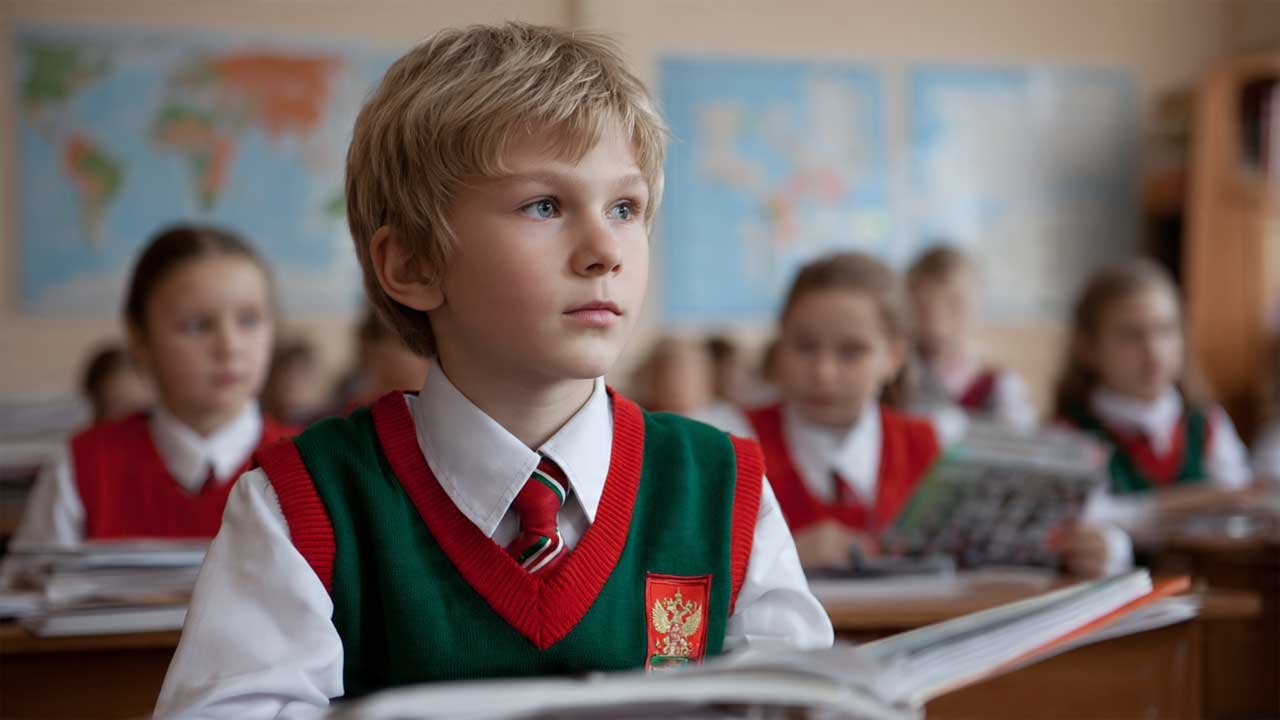
The education system in Belarus is a state-driven, structured model designed to ensure universal literacy, lifelong learning, and national development. Beginning with non-compulsory yet widely attended pre-school education, it progresses through nine years of mandatory general schooling divided into primary, basic, and upper secondary stages.
After age 15, students can choose academic, vocational, or specialized pathways leading to diplomas or higher education entry. Aligned with the European Bologna Process, Belarusian universities offer undergraduate, master’s, and doctoral programs emphasizing research, innovation, and professional readiness.
With bilingual instruction, standardized assessment, and strong ideological grounding, Belarus successfully integrates tradition with modernization to produce skilled, educated, and socially responsible citizens.
| Stage / Feature | Key Information |
|---|---|
| Pre-School Education (Ages 1–6) | Non-compulsory but widely attended; focuses on social, emotional, and cognitive development through nurseries and kindergartens. |
| Primary Education (Ages 6–10) | Covers Grades 1–4; builds literacy, numeracy, and foundational learning skills. |
| Basic Secondary Education (Ages 10–15) | Grades 5–9; compulsory stage; ends with the Certificate of Basic Education. |
| Upper Secondary Education (Ages 15–17) | Grades 10–11; academic or profession-oriented studies; leads to Certificate of General Secondary Education. |
| Vocational & Technical Education (Ages 15+) | 3–4 years of practical training in trades; grants Diploma of Vocational Education. |
| Secondary Specialized Education (Ages 15+) | 3–4 years in technicums or colleges; combines academics with professional training. |
| Higher Education (Ages 17+) | Two-tier Bologna system: Specialist/Bachelor and Master degrees; competitive admission via Centralized Tests (CT). |
| Post-Graduate Studies | Includes Candidate of Sciences (PhD equivalent) and Doctor of Sciences; emphasizes research and innovation. |
| Language of Instruction | Belarusian and Russian (Russian predominant); foreign languages introduced early. |
| Grading System | Standardized 10-point scale across all education levels. |
| Ideological Component | Emphasis on patriotism, national values, and civic responsibility. |
| Lifelong Learning | Continuous adult education, retraining, and professional upgrading opportunities. |
The Age-Wise Trajectory of Education in Belarus: A Comprehensive Guide | AUBSP
Education in Belarus stands as a beacon of structure, equality, and state commitment. With nearly universal literacy and a deeply ingrained emphasis on academic excellence, the Belarusian education system nurtures citizens from infancy to research-level expertise.
Managed centrally by the state, this system guarantees free access to education for all and mandates nine years of schooling, ensuring no child is left behind. Through a mix of traditional pedagogy, modern reforms, and ideological development, Belarus cultivates intellectual, technical, and civic competence at every stage. This AUBSP comprehensive guide breaks down the educational journey in Belarus, age by age — from pre-school years to post-graduate achievements.
Early Beginnings: Pre-School Education in Belarus (Ages 1 to 6)
Pre-school education in Belarus forms the nurturing foundation upon which all future learning rests. Although attendance is not mandatory, the country boasts one of the highest global enrollment rates among five-year-olds, reflecting parents’ strong trust in institutional early learning.
This stage emphasizes socialization, emotional development, and school readiness. Through a mix of play-based and structured learning, Belarusian nurseries and kindergartens help children build curiosity, empathy, and communication skills — the cornerstones of lifelong education. Supported by generous parental leave policies and state subsidies, Belarus ensures that even its youngest citizens receive quality developmental care.
Nursery Education (Ages 1–3)
Nurseries primarily cater to toddlers, offering safe, stimulating environments under the guidance of certified caregivers. Enrollment during this period remains relatively modest, largely due to Belarus’s three-year paid maternity leave policy, which encourages family-based early development.
For parents who opt for nurseries, the focus lies on motor skills, basic language acquisition, and sensory exploration. Activities blend guided play with structured routines to introduce early discipline and creativity, ensuring that children transition smoothly to kindergarten life.
Kindergarten Education (Ages 3–6)
Kindergartens in Belarus are more than pre-academic centers — they are hubs of social learning. Here, children learn teamwork, problem-solving, and responsibility through play and project-based lessons.
Trained educators follow a national curriculum that balances physical activity, art, early literacy, and numeracy. By the age of six, most Belarusian children are emotionally and cognitively ready for primary school, thanks to a well-rounded kindergarten experience that fosters both intellect and character.
General Secondary Education: The Academic Core of Belarus (Ages 6 to 17)
General secondary education in Belarus acts as the backbone of its academic system. Structured across three main stages — primary, basic secondary, and upper secondary — it ensures that every child receives a balanced, high-quality education. Compulsory schooling extends from ages 6 to 15, integrating moral upbringing, technological literacy, and civic awareness.
Students learn in an inclusive environment where both Belarusian and Russian languages are taught, and foreign languages are introduced early. Beyond academics, schools emphasize patriotism, teamwork, and creative expression, nurturing responsible and skilled young citizens who are ready for higher learning or professional training.
Primary Education (Ages 6–10)
Spanning Grades 1 to 4, primary education marks a child’s first formal academic experience. Teachers focus on literacy, numeracy, natural sciences, and creative subjects, establishing the groundwork for independent thinking. The curriculum eases children into academic life with interactive lessons, story-based learning, and project activities.
By Grade 4, students have mastered essential skills that prepare them for the more complex demands of secondary education. This period also instills discipline, curiosity, and respect for knowledge — qualities Belarusian educators view as integral to citizenship.
Basic Secondary Education (Ages 10–15)
Basic secondary education — covering Grades 5 to 9 — is both compulsory and crucial. This stage broadens the intellectual horizon, introducing students to a diverse set of disciplines like algebra, geography, world literature, and foreign languages. By the end of Grade 9, students must pass standardized exams to earn the Certificate of Basic Education.
This milestone marks a pivotal decision point: continue toward general secondary education or pursue a vocational or technical path. The state ensures guidance counseling and orientation programs to help students make informed choices about their educational future.
Upper Secondary Education (Ages 15–17)
The final stage of general secondary education caters to academic excellence and early specialization. Encompassing Grades 10 and 11, students deepen their understanding in core and elective subjects. They can attend gymnasiums or lyceums, institutions offering advanced curricula designed for university-bound learners.
Profession-oriented programs in fields like pedagogy, agriculture, or information technology allow early career exploration. Successful completion awards the Certificate of General Secondary Education — the key qualification for higher studies in Belarus or abroad.
Post-Basic Educational Pathways: Diverse Routes to Success (Ages 15+)
After completing the mandatory nine years of education, Belarusian students can choose from multiple academic and vocational tracks tailored to individual goals and abilities. The system values flexibility, allowing transitions between academic and professional routes without sacrificing quality or prestige.
Whether students pursue advanced general education, technical mastery, or specialized professions, Belarus ensures every learner finds a path to success. This adaptability contributes significantly to the nation’s strong employment rates and skilled labor force.
General Secondary Schools
Students who opt to continue academic studies join Grades 10 and 11, focusing on theoretical knowledge and university preparation. These institutions maintain rigorous standards while nurturing analytical thinking, communication, and problem-solving skills.
Graduates receive the Certificate of General Secondary Education, qualifying them for higher education or international study.
Secondary Specialized Education (SSE)
Secondary Specialized Education, delivered through colleges or technicums, merges academic study with professional training. Spanning three to four years, SSE programs produce mid-level specialists such as technicians, economists, or healthcare assistants.
Students earn a Diploma of Specialized Secondary Education, equipping them for immediate employment or further university-level study.
Vocational and Technical Education (VTE)
For hands-on learners, Vocational and Technical Education offers a dynamic pathway into trades like construction, electrical work, or automotive engineering. Over three to four years, students engage in practical workshops and internships that build employable skills.
Graduates earn a Diploma of Vocational Education, which can also grant credits toward higher education, ensuring lifelong learning opportunities remain open.
Higher and Post-Graduate Education in Belarus (Ages 17+)
Belarusian higher education adheres to the Bologna Process, aligning with European academic standards. This two-tier system — comprising undergraduate and master’s degrees — provides pathways for professional excellence and research innovation.
Admission depends on performance in the Centralized Tests (CT), a standardized national exam ensuring fairness and merit-based selection. Universities and academies across Belarus offer diverse programs in technology, humanities, medicine, and the arts, attracting both domestic and international students.
First Level of Higher Education (Undergraduate)
The first stage leads to the degree of “Specialist with Higher Education,” comparable to a bachelor’s degree. Typically lasting 4 to 4.5 years, it combines theoretical foundations with professional preparation. Certain fields, such as medicine and architecture, may require up to 6 years of study.
Full-time, part-time, and distance learning modes ensure inclusivity for all learners. Graduates benefit from strong job placement support, especially those under state-funded scholarships.
Second Level of Higher Education (Master’s Programs)
The master’s degree — or “Magistr” — represents advanced specialization and research development. Over one to two years, students focus on thesis-driven learning, critical analysis, and scientific inquiry.
These programs bridge academic study and innovation, equipping graduates for leadership roles in education, research, and industry. Many also use the master’s level as a stepping stone toward doctoral research.
Post-Graduate Education and Doctoral Research
Belarus’s post-graduate system includes two doctoral levels: Aspirantura (Candidate of Sciences) and Doktorantura (Doctor of Sciences). The first, akin to a Ph.D., involves three years of research culminating in dissertation defense.
The second represents the pinnacle of academic achievement, requiring original research contributions that influence national or global scholarship.
Key System Features and Modern Reforms in Belarusian Education 🇧🇾
Belarus continually modernizes its education system to remain globally competitive. Instruction occurs in both Belarusian and Russian, with increasing inclusion of English as a foreign language. Assessment follows a unified 10-point grading scale to ensure consistency and transparency.
Centralized Testing (CT) governs university admissions, emphasizing fairness and merit. Recent reforms prioritize digital literacy, patriotic education, and alignment with labor market trends. Lifelong learning programs support adults in professional retraining and skill upgrading. Through continuous evolution, Belarus ensures that education remains both a right and a transformative social force.
Conclusion: Shaping Minds, Building Futures
From early childhood centers to doctoral research halls, Belarus’s education system exemplifies balance, discipline, and inclusivity. Each stage builds logically upon the previous, crafting well-rounded individuals prepared to contribute meaningfully to society.
By aligning with European standards while preserving national identity, Belarus proves that a well-structured education system can drive both personal success and national progress.
FAQs about Belarusian education system
What is the structure of the education system in Belarus?
The Belarusian education system is a state-regulated framework that includes pre-school, general secondary, vocational, specialized secondary, higher, and post-graduate levels. It ensures comprehensive learning opportunities for all citizens, emphasizing both academic and professional development.
Is education free and compulsory in Belarus?
Yes, education in Belarus is free at public institutions and compulsory for nine years, typically from ages 6 to 15. This ensures universal access and helps maintain the country’s near-perfect literacy rate.
What age does formal education begin in Belarus?
Children usually begin formal education at age 6, starting with Grade 1 in primary school after completing pre-school or kindergarten.
How is pre-school education structured in Belarus?
Pre-school education, though non-compulsory, is divided into nursery (ages 1–3) and kindergarten (ages 3–6). It focuses on socialization, emotional growth, physical development, and early learning readiness.
What does general secondary education in Belarus include?
General secondary education spans from ages 6 to 17, divided into three stages—primary (Grades 1–4), basic secondary (Grades 5–9), and upper secondary (Grades 10–11). It forms the backbone of the Belarusian schooling system.
What certificate is awarded after basic secondary education?
Students receive the Certificate of Basic Education upon completing Grade 9, marking the end of compulsory schooling and opening doors to vocational, specialized, or upper secondary education.
What are the options available after Grade 9 in Belarus?
After completing basic secondary education, students can choose between upper secondary schools for academic studies, secondary specialized education (SSE) in colleges, or vocational and technical education (VTE) in lyceums and trade schools.
What is the difference between SSE and VTE programs?
Secondary Specialized Education (SSE) focuses on professional training with academic depth, producing technicians and specialists, while Vocational and Technical Education (VTE) emphasizes practical skills for skilled trades.
What qualification do students receive after upper secondary education?
Students earn the Certificate of General Secondary Education after completing Grades 10–11, which qualifies them for university admission or further professional training.
How does university admission work in Belarus?
University admission is based on performance in Centralized Tests (CT), a standardized national exam system that ensures merit-based and fair access to higher education institutions.
What is the structure of higher education in Belarus?
Higher education follows a two-cycle Bologna model—first, a Specialist/Bachelor’s degree (4–4.5 years), followed by a Master’s degree (1–2 years). Some specialized programs like medicine may last up to 6 years.
What degrees are available after higher education?
Post-graduate studies include the Candidate of Sciences (equivalent to a PhD) and the Doctor of Sciences, which represents the highest academic qualification in Belarus.
What languages are used in Belarusian education?
Education is delivered in both Belarusian and Russian, with Russian being more common in higher education. Foreign languages such as English and German are introduced early in the curriculum.
What grading system is used in Belarus?
All schools and universities use a standardized 10-point grading scale, ensuring consistency and clarity in student performance evaluation.
Are there state-funded education opportunities in Belarus?
Yes, many students study under state-funded programs, particularly those with high academic performance. State-funded graduates are often guaranteed employment after completing their studies.
Does Belarus follow the European education model?
Yes, Belarus aligns with the Bologna Process, harmonizing its higher education system with European standards to ensure degree compatibility and student mobility across Europe.
What is the focus of recent education reforms in Belarus?
Recent reforms emphasize digital learning, early career specialization, patriotic education, and stronger alignment between educational programs and labor market demands.
What role does ideology play in Belarusian education?
Ideological education promotes patriotism, civic responsibility, and respect for national values, integrated throughout the curriculum from primary to higher education.
Is adult and continuing education available in Belarus?
Yes, Belarus offers extensive lifelong learning programs for adults, including professional retraining, vocational courses, and skill-upgrading opportunities.
How does Belarus support vocational skill development?
Vocational and technical schools collaborate with industries to provide practical training and apprenticeships, ensuring graduates are work-ready and skilled in high-demand trades.
What is the literacy rate in Belarus?
Belarus maintains one of the world’s highest literacy rates, with nearly 100% of its population being literate, reflecting the effectiveness of its education policies.
Can international students study in Belarus?
Yes, Belarus welcomes international students, offering a range of English-taught programs, affordable tuition fees, and globally recognized degrees across diverse fields.
What are lyceums and gymnasiums in Belarus?
Lyceums and gymnasiums are advanced secondary institutions offering enhanced curricula, designed to prepare academically inclined students for university education.
How long does it take to complete doctoral studies in Belarus?
The Candidate of Sciences program typically takes 3 years, while the Doctor of Sciences degree requires several additional years of independent research and dissertation defense.
What subjects are emphasized in Belarusian schools?
Core subjects include mathematics, languages, science, history, literature, and foreign languages, alongside civic education and physical training.
Are there private schools and universities in Belarus?
Yes, while most institutions are state-run, Belarus also has a growing number of private schools and universities offering alternative educational models.
How does Belarus ensure quality in education?
The Ministry of Education oversees all educational institutions, ensuring strict compliance with national standards, teacher certification, and continuous curriculum updates.
What is the duration of compulsory schooling in Belarus?
Compulsory schooling lasts for nine years, encompassing primary and basic secondary education (Grades 1–9).
How does Belarus promote research and innovation?
Belarus invests in research institutions, university partnerships, and post-graduate programs that encourage scientific discovery and technological innovation.
What makes Belarus’s education system unique?
Its combination of free access, high literacy, structured progression, bilingual instruction, and ideological education makes the Belarusian system both efficient and culturally rooted.


Leave a Reply
You must be logged in to post a comment.