
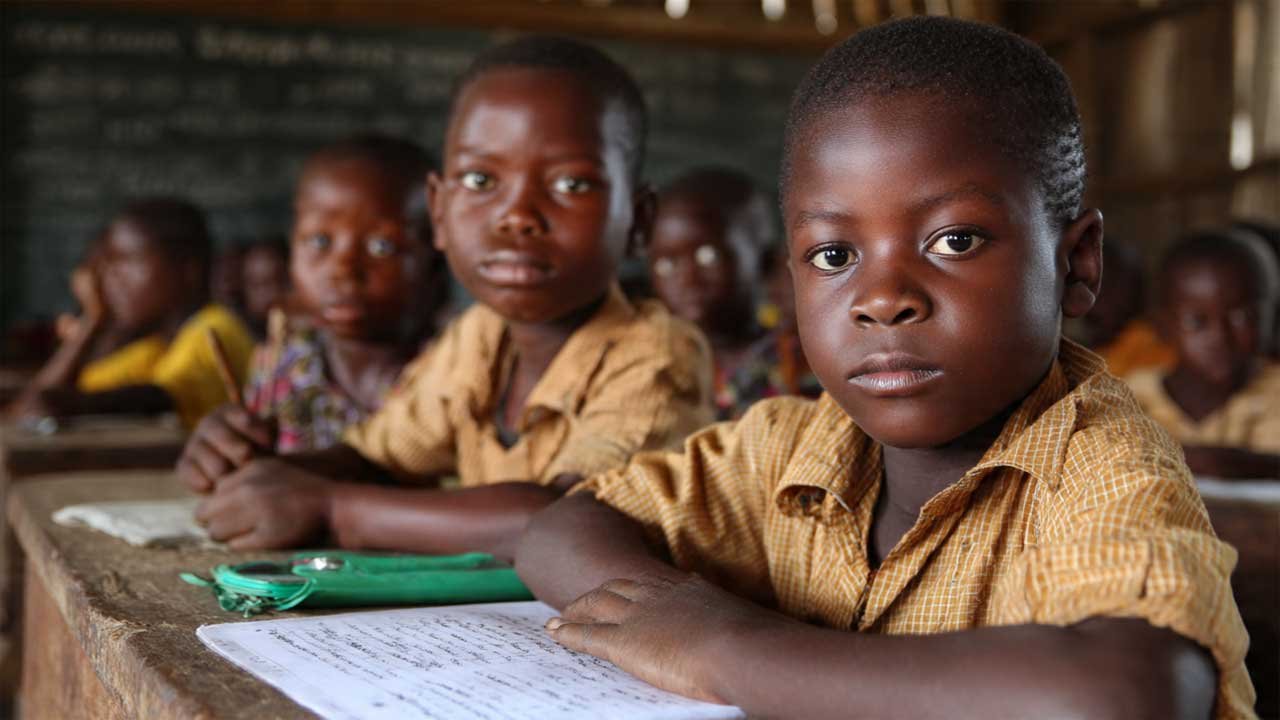
Togo’s education system follows a structured 6-4-3 model inspired by the French framework, covering primary, lower secondary, and upper secondary levels before progressing to tertiary studies.
While the abolition of school fees has achieved near-universal primary enrollment, the country continues to face deep challenges in learning quality, retention, and equity—particularly for girls and rural students. High repetition rates, weak foundational skills, and limited access to secondary and higher education hinder progress.
Government reforms under the Education Sector Plan (2014–2025), supported by partners like UNICEF and GPE, aim to enhance teacher training, resource distribution, and gender parity. Strengthening quality learning remains central to building an educated, inclusive, and future-ready Togo.
| Key Aspect | Details |
|---|---|
| Education Model | 6-4-3 system (Primary, Lower Secondary, Upper Secondary) |
| Compulsory Education Age | 6 to 15 years |
| Primary Education Duration | 6 years (Ages 6–11) |
| Lower Secondary Duration | 4 years (Ages 12–15) |
| Upper Secondary Duration | 3 years (Ages 16–18) |
| Key Certificates | CEPD, BEPC, BAC II |
| Pre-primary Education | 2 years (Ages 3–5) – Non-compulsory |
| Tertiary Education | Variable duration; awards Licence, Maîtrise, Doctorat |
| Primary Enrollment Rate | Over 90% (2023) |
| Lower Secondary Completion Rate | Around 58% (2023) |
| Youth Literacy Rate (15–24) | Approximately 85% |
| Adult Literacy Rate | Around 65% |
| Repetition Rate | Historically over 13% |
| Gender Disparity | Higher dropout among girls due to early marriage, pregnancy |
| Urban–Rural Divide | Rural areas face lower access and resource shortages |
| Major Education Reform Plan | Education Sector Plan 2014–2025 |
| International Partners | UNICEF, GPE, UNESCO, World Bank |
| Focus of Current Reforms | Teacher training, resource equity, quality improvement |
| Main Learning Challenge | Poor literacy and numeracy outcomes despite high enrollment |
| Long-Term Goal | Inclusive, quality, and skill-driven education for national development |
Age-Wise Education in Togo: Structure, Attainment, and the Learning Crisis
Togo’s education system reflects both the legacy of the French academic model and the evolving national vision for inclusive, equitable, and quality education. The country has achieved impressive progress in expanding access, particularly at the primary level.
Yet, challenges such as low learning outcomes, gender gaps, and regional disparities continue to shape the educational landscape. Understanding the age-wise structure, attainment, and learning realities in Togo offers valuable lessons for policymakers, educators, and development partners striving to enhance Africa’s educational future.
This AUBSP analysis explores each educational stage—its structure, achievements, and pressing challenges—with actionable insights for reform.
1. The Structured Educational Pathway in Togo
Togo’s education system follows a distinct, tiered pathway that mirrors the French model while integrating local reforms to support universal access. The 6-4-3 progression (six years of primary, four years of lower secondary, and three years of upper secondary education) ensures a clear transition from foundational learning to specialized instruction.
Understanding this framework is essential for grasping how students advance academically and where challenges emerge, particularly regarding retention and completion. The system’s structure reflects both opportunity and inequality, shaping how different age groups engage with learning, certification, and lifelong skill acquisition.
Overview of Educational Stages
- Pre-primary (Maternelle): Typically two years for children aged 3–5, offering no formal certification but essential social and cognitive foundations.
- Primary Education: Six years (ages 6–11) culminating in the Certificat d’Études du Premier Degré (CEPD).
- Lower Secondary: Four years (ages 12–15), leading to the Brevet d’Études du Premier Cycle (BEPC).
- Upper Secondary: Three years (ages 16–18), ending with the Baccalauréat (BAC II) for tertiary entry.
- Tertiary Education: Variable duration from age 18+, granting Licence, Maîtrise, or Doctorat degrees.
Compulsory education extends through age 15, aligning with both primary and lower secondary cycles, symbolizing Togo’s national commitment to universal literacy and skill development.
2. Primary Education in Togo: Expanding Access, Confronting Early Learning Gaps (Ages 6–11)
Primary education in Togo represents the nation’s most notable educational achievement. Following the abolition of public school fees in 2008, the country witnessed a rapid rise in enrollment rates, showcasing the government’s commitment to inclusive access. However, while the numbers indicate success, the depth of learning tells another story.
Beneath near-universal enrollment lies a learning crisis that threatens long-term educational quality. To secure the gains of the past decade, Togo must shift focus from access alone to effective learning outcomes, ensuring every child acquires foundational literacy and numeracy skills before progressing.
Access and Enrollment Milestones
Over 90% of children aged 6–11 now attend primary school, marking a milestone in universal basic education. The completion rate of approximately 90% (2023 data) reflects substantial progress.
However, enrollment does not necessarily equate to learning. Evaluations reveal that more than half of primary graduates cannot read or solve math problems at their expected level—highlighting a severe quality gap.
Internal Inefficiency and Retention Issues
Repetition rates exceeding 13% and delayed school entry have led to widespread age distortions within classrooms. Over-aged students often disengage, straining teachers and resources while reducing system efficiency.
These inefficiencies underline the urgency for curriculum modernization, teacher training, and assessment reform to ensure that time spent in school equals meaningful learning.
3. Secondary Education in Togo: The Bottleneck of Opportunity (Ages 12–18)
Secondary education acts as the crucial bridge between foundational learning and professional readiness in Togo. Yet, it remains the system’s most fragile link. While the lower secondary level is technically part of compulsory education, dropout rates soar as economic pressure, gender norms, and geographic disparities collide.
The challenge is not merely academic—it is social and structural. Strengthening this stage is essential for building a skilled workforce and achieving equitable national development.
Transition and Completion Challenges
Although primary completion rates exceed 90%, only about 58% of students successfully complete lower secondary education. This sharp decline reflects systemic constraints such as limited school infrastructure, teacher shortages, and socio-economic hardships.
Gender and Regional Inequalities
Girls remain disproportionately affected. Many drop out due to early marriage, pregnancy, or domestic responsibilities. Rural areas suffer additional setbacks—limited school availability, high transportation costs, and cultural barriers restrict access for adolescents.
Upper secondary attainment is particularly uneven; only a small segment—mostly urban, affluent students—achieve the BAC II, the gateway to university education. Without targeted interventions, this bottleneck perpetuates social inequity and economic stagnation.
4. Tertiary Education and Youth Skills Development in Togo (Ages 18 and Above)
Togo’s tertiary education sector is at a pivotal crossroads. As the global economy increasingly demands skilled labor, the need for advanced, practical education grows. Yet, tertiary participation in Togo remains low due to the limited number of universities, high tuition costs, and the rigorous academic filtering of the BAC II examination. For a country investing heavily in foundational education, ensuring that youth transition smoothly into higher learning or vocational pathways is vital for sustainable growth.
Enrollment and Employment Linkages
The tertiary enrollment rate remains modest, with women underrepresented. However, recent policy initiatives emphasize employability, entrepreneurship, and vocational skills to align graduates with labor market needs.
Youth Literacy and Lifelong Learning
A promising sign is the 85% youth literacy rate (ages 15–24), indicating improved foundational education. Continued investment in technical education, distance learning, and public-private partnerships could transform tertiary education into a catalyst for innovation and national productivity.
5. Policy Reforms, Challenges, and the Road Ahead
Togo’s education reforms are guided by the Education Sector Plan (2014–2025), supported by global partners such as UNICEF and the Global Partnership for Education (GPE). The vision is clear: ensure equitable access, quality learning, and sustainable human capital development.
While achievements in access are commendable, future progress depends on closing learning gaps, modernizing teaching methods, and improving accountability across all levels.
Strategic Reform Priorities
- Teacher Competence: Upgrading pedagogical skills and subject mastery through professional development and certification.
- Resource Allocation: Ensuring fair distribution of textbooks, learning materials, and infrastructure between urban and rural areas.
- Gender and Equity Initiatives: Expanding girls’ scholarships, promoting safe learning environments, and community sensitization against early marriage.
- Data-Driven Monitoring: Strengthening national education statistics systems for transparent evaluation of learning outcomes.
By focusing on quality and inclusivity, Togo can transform its educational structure from a system of access to a system of achievement—empowering every child to learn, thrive, and contribute to the nation’s future.
Conclusion: The Path to an Educated and Equitable Togo
Togo’s education journey reveals both remarkable progress and persistent challenges. The nation has nearly achieved universal access to primary education but now faces the greater challenge of delivering quality learning for all age groups. As policymakers, educators, and partners work collaboratively, the future depends on ensuring that no student is left behind—from early childhood through to university.
At AUBSP, we believe education is the foundation of sustainable progress. Continued investment in teacher training, equitable resources, and skills-based education can help Togo not only educate its youth but empower an entire generation to lead change and innovation.
FAQs on education system in Togo
What is the structure of the education system in Togo?
Togo’s education system follows a 6-4-3 model that includes six years of primary education, four years of lower secondary, and three years of upper secondary schooling. The structure is largely influenced by the French model and leads to the Baccalauréat (BAC II), which opens access to tertiary studies. Compulsory education covers ages 6 to 15, ensuring that children complete both primary and lower secondary levels.
At what age do children begin formal education in Togo?
Children in Togo typically start formal education at age six, following two years of pre-primary learning known as “maternelle,” which focuses on early childhood development, social interaction, and language skills.
What is the official duration of compulsory education in Togo?
Compulsory education extends from age 6 to 15, covering both the primary and lower secondary stages. This policy ensures that all children receive a minimum foundational education before transitioning to upper secondary or vocational paths.
What are the major educational certificates in Togo?
Students in Togo receive three main certificates: the Certificat d’Études du Premier Degré (CEPD) after primary school, the Brevet d’Études du Premier Cycle (BEPC) after lower secondary, and the Baccalauréat (BAC II) after upper secondary, which qualifies them for university education.
How has Togo improved access to education in recent years?
The government abolished public school fees in 2008, significantly increasing primary school enrollment rates. Partnerships with organizations like UNICEF and GPE have also strengthened access to quality education, particularly for rural and marginalized communities.
What challenges affect learning quality in Togo’s primary schools?
Despite near-universal access, learning outcomes remain weak. Studies reveal that over half of children completing primary school lack proficiency in reading and mathematics, mainly due to overcrowded classrooms, insufficient learning materials, and untrained teachers.
Why is repetition a concern in Togo’s education system?
High repetition rates—often exceeding 13%—create inefficiency and discourage learners. Many students are over-aged for their grade level, which affects motivation and increases the risk of dropping out before completing the primary cycle.
What factors contribute to dropout rates in secondary education?
Economic hardship, early marriage, teenage pregnancy, and long travel distances to schools are major causes. Many families cannot afford secondary schooling costs, especially in rural areas, forcing students to leave before completing their studies.
How does gender inequality impact education in Togo?
Girls face higher dropout rates due to cultural expectations, household responsibilities, and early marriages. Government initiatives now focus on scholarships, awareness campaigns, and safe learning environments to close the gender gap.
What are the differences between rural and urban education in Togo?
Urban areas enjoy better access to qualified teachers, infrastructure, and learning materials, while rural schools often face overcrowding and limited resources. This imbalance widens educational outcomes between the two regions.
What is the role of the BAC II exam in Togo’s education system?
The Baccalauréat (BAC II) is a crucial examination marking the end of upper secondary education. Success in this exam determines eligibility for university or higher professional training, making it a key gateway to advanced studies and career opportunities.
How accessible is tertiary education in Togo?
Tertiary education remains limited, with low enrollment rates due to high costs and limited institutional capacity. However, new policies promoting vocational and technical education aim to diversify post-secondary options and improve employability.
What are the most popular tertiary programs in Togo?
Students often pursue degrees in education, economics, law, management, and engineering. Increasing emphasis on technical and vocational programs is helping bridge the gap between academic learning and labor market needs.
What is the youth literacy rate in Togo?
The youth literacy rate (ages 15–24) is around 85%, reflecting the country’s success in expanding access to basic education. However, disparities persist among rural youth and girls, underscoring the need for continued literacy campaigns.
How is the Togolese government addressing teacher quality?
Reforms under the Education Sector Plan (2014–2025) focus on teacher training, curriculum updates, and competency-based pedagogy. The goal is to improve both teaching quality and student learning outcomes across all age levels.
What international organizations support education in Togo?
UNICEF, the Global Partnership for Education (GPE), UNESCO, and the World Bank are major partners. They assist in funding, teacher development, curriculum design, and promoting gender equality in schools.
How does Togo promote education for girls?
Programs such as girls’ scholarships, awareness drives against early marriage, and the construction of female-friendly facilities help keep girls in school. Advocacy campaigns also emphasize the importance of secondary and tertiary education for women.
What steps are being taken to improve rural education in Togo?
Efforts include constructing schools in remote areas, providing mobile teachers, and distributing textbooks equitably. Community-based initiatives encourage local participation in school management to strengthen accountability.
What is the current literacy rate among adults in Togo?
Adult literacy stands at approximately 65%, though younger generations are more literate due to improved access to schooling. Adult education programs continue to target rural women and farmers to expand literacy and life skills.
Why is quality education crucial for Togo’s development?
A skilled and educated population boosts innovation, productivity, and employment opportunities. Quality education also fosters civic engagement, gender equality, and national stability, driving Togo’s social and economic growth.
How do economic conditions affect school attendance in Togo?
Families struggling with poverty often prioritize work over education. School-related expenses—uniforms, books, and transport—create financial barriers that contribute to absenteeism and dropouts, especially in secondary grades.
What is the government’s Education Sector Plan (2014–2025)?
This strategic roadmap outlines reforms to enhance learning quality, promote equity, and modernize teacher training. It also aims to reduce class sizes, strengthen early childhood education, and improve monitoring systems for better outcomes.
How does Togo measure educational performance?
The country uses standardized exams, national assessments, and international studies like PASEC to evaluate learning outcomes. These tools help policymakers identify weaknesses and tailor reforms for targeted improvements.
What are the main causes of over-age students in Togo’s schools?
Late school entry, repetition, and interrupted schooling due to economic challenges are major contributors. Addressing these issues requires flexible learning programs and better early childhood education coverage.
How do language barriers affect learning in Togo?
French is the official language of instruction, but many children speak local languages at home. The linguistic gap often hinders comprehension, especially in early grades, prompting debates about bilingual education policies.
What reforms target early childhood education in Togo?
The government is expanding access to pre-primary centers to enhance cognitive and social development before age six. Investments in early learning are recognized as critical for long-term academic success.
How can digital technology improve education in Togo?
Integrating ICT tools into classrooms can enhance teaching efficiency, provide access to e-learning resources, and reduce the urban-rural knowledge gap. Partnerships with tech firms aim to equip schools with digital infrastructure.
What is the employment outlook for graduates in Togo?
Many graduates face underemployment or mismatch between academic skills and market needs. Strengthening vocational and entrepreneurship programs is vital to improve job readiness and economic participation.
How does AUBSP contribute to educational awareness?
AUBSP provides analytical insights, research-based articles, and awareness initiatives on global education systems. Through credible reporting and expert commentary, AUBSP empowers readers to understand, engage with, and support educational reform across Africa and beyond.


Leave a Reply
You must be logged in to post a comment.